Using a red hot water bottle is a popular and traditional way to keep warm, soothe aches, and promote relaxation. As a supplier of red hot water bottles, I often receive questions from customers about whether they can use our products in conjunction with other heat sources. In this blog post, I'll delve into this topic, exploring the safety, effectiveness, and best practices when combining a red hot water bottle with other forms of heat.
Understanding the Basics of a Red Hot Water Bottle
Before discussing the combination with other heat sources, it's important to understand what a red hot water bottle is and how it works. A red hot water bottle is typically made of rubber or a similar flexible material and is filled with hot water. The heat from the water is gradually released, providing a comforting and long - lasting source of warmth.
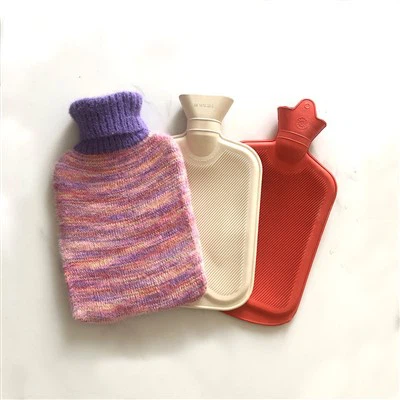
Our Classic Hot Water Bottle is a timeless choice. It's made from high - quality rubber, which is both durable and flexible. The red color not only gives it a classic look but also makes it easily distinguishable. The British Standard ensures that it meets strict safety and quality requirements. Similarly, our British Standard Hot Water Bottle adheres to the highest standards, offering peace of mind to the users. And for those who prefer a more understated look, our White Hot Water Bottle provides a clean and elegant option.
Safety Considerations When Using Multiple Heat Sources
Safety should always be the top priority when using any heat source, especially when combining multiple ones. The main concern when using a red hot water bottle with other heat sources is the risk of overheating. Overheating can cause burns, damage to the hot water bottle itself, or even pose a fire hazard in some cases.
For instance, if you place a red hot water bottle on an electric heating pad while it's turned on, the combined heat can quickly reach dangerous levels. The rubber of the hot water bottle may start to degrade, and the heat can be too intense for your skin to handle. There's also the risk of the water in the hot water bottle reaching boiling point, which can cause the bottle to burst.
Complementary Heat Sources and Their Suitability
Electric Blankets
Electric blankets are a common source of additional heat. Using a red hot water bottle in conjunction with an electric blanket can be done, but it requires caution. If you choose to use them together, it's advisable to set the electric blanket to a low or medium setting. Place the hot water bottle on top of the blanket, not directly under it. This way, you can enjoy the combined warmth without overloading the system.
Heated Mattress Pads
Heated mattress pads work in a similar way to electric blankets. They are designed to warm the bed from below. You can use a red hot water bottle on top of a heated mattress pad, but again, keep the setting of the pad low. This combination can be great for cold winter nights, but make sure to monitor the temperature.
Fireplaces or Wood - Burning Stoves
Using a red hot water bottle near a fireplace or wood - burning stove is relatively safer because the heat is more diffused. However, you should still keep a safe distance. Don't place the hot water bottle too close to the fire source, as the intense heat can cause the bottle to melt or burst. You can use the fireplace or stove to pre - warm the room and then use the hot water bottle for personal warmth.
Advantages of Combining Heat Sources
When used safely, combining a red hot water bottle with other heat sources can have several advantages.
Enhanced Warmth
The primary benefit is obviously increased warmth. During extremely cold weather, a single heat source may not be enough to keep you comfortable. By using a red hot water bottle along with an electric blanket or a heated mattress pad, you can create a warm cocoon that helps you sleep better and feel more at ease.
Customized Heat Zones
Different heat sources can target different areas of your body. For example, an electric blanket can warm your entire body, while a red hot water bottle can be placed specifically on your abdomen or feet, providing concentrated heat where you need it most.
Precautions to Take
Temperature Monitoring
Regardless of which heat sources you combine, it's crucial to monitor the temperature. You can use a thermometer to check the surface temperature of the hot water bottle and the other heat source. If the temperature exceeds a safe level (usually around 40 - 45 degrees Celsius for direct skin contact), it's time to adjust or remove one of the heat sources.


Padding and Insulation
Use a layer of fabric or padding between your skin and the heat sources. This acts as a buffer and reduces the risk of burns. For example, wrap the red hot water bottle in a soft towel before using it, and if you're using an electric blanket, make sure there's at least a sheet between you and the blanket.
Regular Inspection
Regularly inspect all heat sources for any signs of damage. Check the red hot water bottle for leaks, cracks, or signs of wear. For electric heat sources, look for frayed wires or malfunctioning controls. If you notice any issues, stop using the heat source immediately.
Best Practices for Using a Red Hot Water Bottle with Other Heat Sources
Start Slowly
When you first start using a red hot water bottle with another heat source, start with the lowest settings. Gradually increase the heat if needed. This allows your body to adjust to the combined warmth and reduces the risk of overheating.
Know Your Limits
Everyone's tolerance to heat is different. Pay attention to how your body feels. If you start to feel too hot or uncomfortable, reduce the heat or remove one of the sources.
Conclusion
In conclusion, it is possible to use a red hot water bottle with other heat sources, but it must be done with caution. By understanding the safety risks, choosing the right complementary heat sources, and following the necessary precautions, you can enjoy the enhanced warmth and comfort that multiple heat sources can provide.
If you're interested in purchasing high - quality red hot water bottles for personal use or for resale, we'd love to hear from you. Contact us to start a procurement discussion and find out how our products can meet your needs.
References
- British Standards Institution. (Year). Safety standards for hot water bottles.
- Medical Journal of Thermal Comfort. (Year). Studies on the safe use of multiple heat sources.