Can PVC Ice Bags Be Used for Keeping Fruits and Vegetables Fresh?
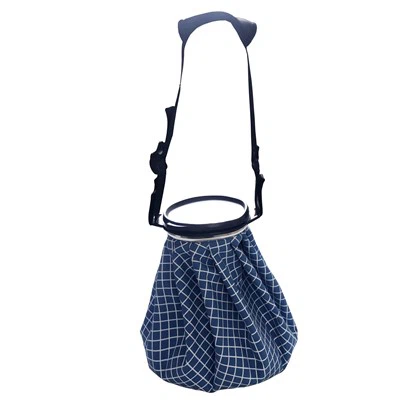
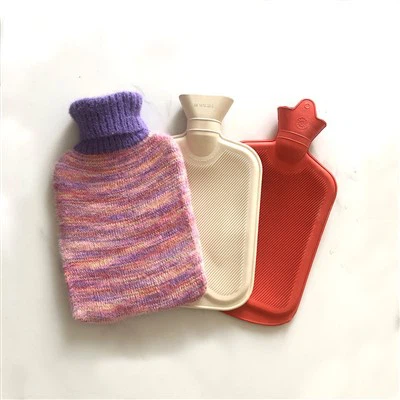
As a supplier of PVC ice bags, I've often been asked whether our products can be effectively used to keep fruits and vegetables fresh. In this blog, I'll delve into the science behind using PVC ice bags for this purpose, explore their advantages and limitations, and share some practical tips on how to make the most of them.
The Science of Keeping Fruits and Vegetables Fresh
Fruits and vegetables are living organisms even after they are harvested. They continue to respire, a process that involves taking in oxygen and releasing carbon dioxide. This respiration rate is influenced by temperature; generally, the higher the temperature, the faster the respiration rate. When fruits and vegetables respire too quickly, they can lose moisture, nutrients, and flavor, and they may also start to spoil more rapidly.
By keeping fruits and vegetables at a lower temperature, we can slow down their respiration rate, thereby extending their shelf life. This is where PVC ice bags come in. PVC ice bags are designed to absorb and retain cold, providing a cooling effect that can help maintain a lower temperature around the produce.


Advantages of Using PVC Ice Bags for Fruits and Vegetables
- Temperature Control: PVC ice bags can effectively lower the temperature around fruits and vegetables, creating a cooler environment that slows down the ripening and spoilage process. This can be especially useful during transportation and storage, where maintaining a consistent temperature is crucial.
- Reusability: Unlike some other cooling methods, PVC ice bags are reusable. After they have melted, they can be refrozen and used again, making them a cost - effective option in the long run.
- Flexibility: PVC ice bags come in various shapes and sizes, allowing for easy customization to fit different types of containers and produce. For example, you can use Lightweight Ice Packs for smaller quantities of fruits and vegetables, or larger Print Ice Cooler Bag Pack for bulk storage.
- Safety: PVC ice bags are generally considered safe for use with food. They are made from non - toxic materials and do not pose a risk of contamination to the produce.
Limitations of Using PVC Ice Bags for Fruits and Vegetables
- Limited Cooling Duration: The cooling effect of PVC ice bags is not permanent. Eventually, the ice inside the bags will melt, and the temperature will start to rise again. This means that they may not be suitable for long - term storage without proper refrigeration backup.
- Moisture Concerns: As the ice in the PVC bags melts, it can create moisture. Excessive moisture around fruits and vegetables can lead to mold growth and spoilage. Therefore, it is important to ensure proper ventilation when using PVC ice bags.
Practical Tips for Using PVC Ice Bags
- Proper Placement: Place the PVC ice bags in close proximity to the fruits and vegetables, but avoid direct contact. You can use a layer of paper or a thin cloth to separate the ice bags from the produce to prevent frost damage.
- Monitor Temperature: Use a thermometer to monitor the temperature inside the storage container. This will help you ensure that the temperature remains within the optimal range for the specific type of fruits and vegetables you are storing.
- Ventilation: Make sure there is adequate ventilation in the storage area. This can help prevent the buildup of moisture and reduce the risk of mold growth.
- Rotation: If you are using multiple PVC ice bags, rotate them regularly to ensure a consistent cooling effect.
Case Studies
- Local Grocery Store: A local grocery store started using PVC ice bags to keep their fresh produce cool during transportation from the supplier. They noticed a significant reduction in spoilage rates, especially for delicate fruits like berries and peaches. By using 6inch Mini Ice Packs for Face in small containers, they were able to maintain a stable temperature and extend the shelf life of their products.
- Farmers' Market: At a farmers' market, a vendor used PVC ice bags to keep their vegetables fresh in a cooler. The ice bags helped to keep the temperature low, even on hot summer days. Customers were more likely to purchase the produce because it looked fresh and crisp.
Conclusion
In conclusion, PVC ice bags can be a valuable tool for keeping fruits and vegetables fresh. They offer several advantages, such as temperature control, reusability, and flexibility. However, they also have some limitations, including limited cooling duration and moisture concerns. By following the practical tips outlined above, you can make the most of PVC ice bags and extend the shelf life of your produce.
If you are interested in purchasing PVC ice bags for your business or personal use, we are here to help. Our company offers a wide range of high - quality PVC ice bags that are suitable for various applications. We are committed to providing excellent customer service and competitive prices. Please feel free to contact us for more information and to discuss your specific requirements. We look forward to working with you to find the best solution for keeping your fruits and vegetables fresh.
References
- Kader, A. A. (2002). Postharvest technology of horticultural crops. University of California, Davis.
- Watada, A. E., & Qi, X. (1999). Quality changes in fresh - cut produce. Critical Reviews in Food Science and Nutrition, 39(4), 311 - 323.