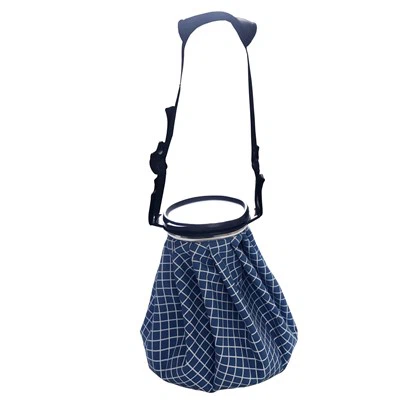
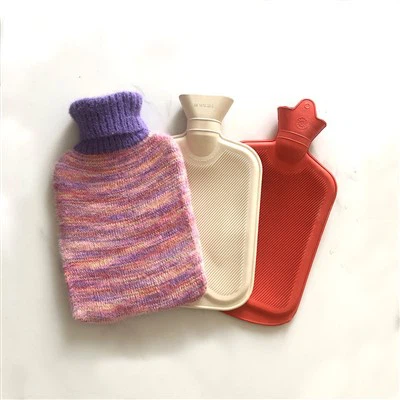
Hey there! As a supplier of TPU ice bags, I often get asked how to make these bags colder. Well, I'm here to share some tips and tricks that can help you get the most out of your TPU ice bags.
First off, let's talk about what TPU is. TPU stands for thermoplastic polyurethane. It's a super - flexible and durable material, which makes it perfect for ice bags. Our TPU ice bags are used in a variety of scenarios, like Golf Sports Ice Packs With Logo for those hot days on the golf course, Reusable Ice Packs For Body to cool down after a workout, and First Aid Ice Packs Reusable for minor injuries.
1. Choose the Right Filling
The filling inside the ice bag plays a huge role in how cold it can get. Most of our TPU ice bags come with a special gel filling. This gel has a high water content, which freezes at a lower temperature than regular water. When the gel freezes, it can absorb and retain a large amount of cold energy.
There are different types of gels available. Some are formulated to stay cold for longer periods, while others are designed to reach extremely low temperatures quickly. If you need an ice bag that gets really cold fast, look for a gel with a high concentration of freezing agents. On the other hand, if you want a more long - lasting cold, choose a gel that has a slow - melting formula.
2. Proper Freezing Techniques
The way you freeze your TPU ice bag can also affect its coldness. Here are some things to keep in mind:
- Freezer Temperature: Set your freezer to the coldest setting possible. The lower the temperature, the faster the ice bag will freeze and the colder it will get. A typical freezer temperature of around - 18°C (0°F) is ideal.
- Lay Flat: When placing the ice bag in the freezer, make sure to lay it flat. This allows the filling to freeze evenly. If the ice bag is crumpled or folded, some parts may not freeze properly, which can reduce its overall coldness.
- Avoid Overcrowding: Don't stuff too many items in the freezer around the ice bag. Give it enough space so that cold air can circulate freely around it. This helps the ice bag freeze more efficiently.
3. Pre - Cooling the Environment
If you're using the ice bag in a specific environment, like a cooler or a first - aid kit, pre - cooling that environment can make the ice bag work better.
- Cooler: Before putting the ice bag in a cooler, place the cooler in the freezer for a few hours. This will lower the internal temperature of the cooler. Then, when you add the ice bag, it doesn't have to work as hard to cool down the contents of the cooler.
- First - Aid Kit: If you're using the ice bag for first - aid purposes, keep the first - aid kit in a cool place. This can help maintain the coldness of the ice bag when you need it.
4. Insulation
Insulating the ice bag can help it stay colder for longer. You can use materials like towels, foam, or even special insulation sleeves.


- Towels: Wrapping the ice bag in a thick towel can slow down the rate at which it warms up. The towel acts as a barrier between the ice bag and the surrounding air, reducing heat transfer.
- Foam Insulation: Foam is a great insulator. You can cut a piece of foam to fit around the ice bag. This will help keep the cold air inside and the warm air out.
- Insulation Sleeves: We also offer special insulation sleeves for our TPU ice bags. These sleeves are designed to fit the ice bags perfectly and provide excellent insulation.
5. Maintenance
Proper maintenance of your TPU ice bag is essential to keep it performing at its best.
- Clean Regularly: Over time, dirt and debris can accumulate on the surface of the ice bag. This can affect its ability to transfer cold. Clean the ice bag with a mild soap and water solution, and make sure to dry it thoroughly before refreezing.
- Check for Leaks: Inspect the ice bag regularly for any signs of leaks. If you notice a leak, stop using the ice bag immediately. A leaking ice bag can not only make a mess but also reduce its cold - holding capacity.
6. Using Multiple Ice Bags
In some cases, using multiple ice bags can be more effective than using just one. For example, if you're trying to cool down a large cooler or a big area, placing several ice bags strategically can create a more even and colder environment.
You can arrange the ice bags in a way that maximizes their cooling effect. For instance, place one ice bag at the bottom of the cooler and another at the top. This helps create a convection current of cold air inside the cooler.
7. Timing
Timing is everything when it comes to using TPU ice bags. If you're using the ice bag for a specific event, like a golf game or a workout, plan ahead and take the ice bag out of the freezer at the right time.
If you take it out too early, it may start to warm up before you need it. On the other hand, if you take it out too late, it may not have enough time to cool down the area or item you're using it for.
Conclusion
Making your TPU ice bag colder is all about a combination of choosing the right filling, proper freezing techniques, pre - cooling the environment, insulation, maintenance, using multiple ice bags, and good timing. By following these tips, you can ensure that your TPU ice bag stays cold for longer and provides the cooling effect you need.
If you're interested in purchasing our high - quality TPU ice bags for your sports events, first - aid needs, or any other application, don't hesitate to reach out. We're always ready to discuss your requirements and provide the best solutions for you.
References
- "Thermoplastic Polyurethane (TPU) - Properties and Applications", Polymer Science Journal
- "The Science of Cold Storage and Insulation", Refrigeration Technology Magazine
- "Effective First - Aid Cooling Techniques", First - Aid Research Report