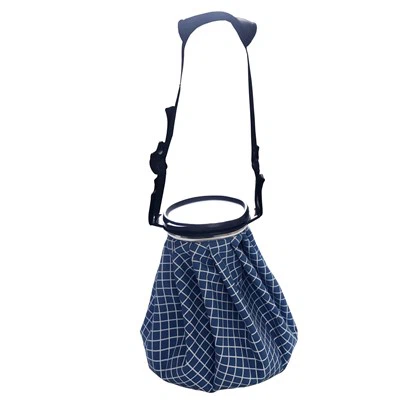
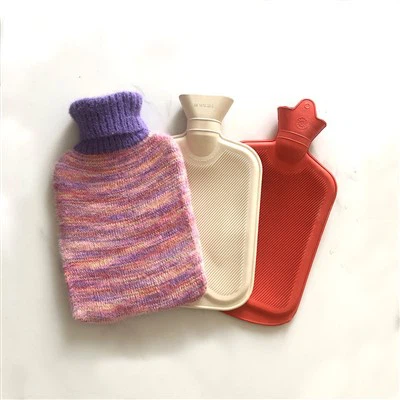
Reading the instructions on an enema bag is a crucial step in ensuring safe and effective use of this medical device. As a supplier of enema bags, I understand the importance of clear and accurate instructions. In this blog post, I will guide you through the process of reading and understanding the instructions on an enema bag, providing you with valuable insights to make the most of your product.
Understanding the Basics
Before delving into the details of the instructions, it's essential to have a basic understanding of what an enema bag is and how it works. An enema bag is a device used to introduce a liquid solution into the rectum and colon for various purposes, such as cleansing the bowel, relieving constipation, or administering medication.
The enema bag typically consists of a bag or container to hold the liquid solution, a tube attached to the bag, and a nozzle or tip at the end of the tube for insertion into the rectum. The instructions on the enema bag will provide information on how to prepare the solution, how to fill the bag, how to insert the nozzle, and how to administer the enema.
Preparing the Solution
The first step in using an enema bag is to prepare the solution. The instructions will specify the type of solution to use, the amount of solution to prepare, and any additives or medications that may be required. Common solutions used for enemas include water, saline solution, and herbal or medicinal solutions.
It's important to follow the instructions carefully when preparing the solution to ensure its safety and effectiveness. Use clean, filtered water to prevent the introduction of harmful bacteria or contaminants. If the instructions call for a specific temperature of the solution, use a thermometer to measure the temperature and adjust it accordingly.
Filling the Enema Bag
Once the solution is prepared, the next step is to fill the enema bag. The instructions will provide guidance on how to fill the bag, including the maximum capacity of the bag and the proper technique for filling it.
To fill the enema bag, first, make sure the clamp on the tube is closed to prevent the solution from leaking. Then, carefully pour the solution into the bag, taking care not to overfill it. If the bag has a fill line, use it as a guide to ensure you don't exceed the recommended capacity.
Inserting the Nozzle
After filling the enema bag, the next step is to insert the nozzle into the rectum. The instructions will provide detailed information on how to insert the nozzle safely and comfortably.
Before inserting the nozzle, lubricate it with a water-based lubricant to reduce friction and discomfort. Gently insert the nozzle into the rectum, following the natural curve of the rectum. Do not force the nozzle or insert it too far, as this can cause injury or discomfort.
Administering the Enema
Once the nozzle is inserted, the next step is to administer the enema. The instructions will specify the rate at which the solution should be administered and the total amount of solution to be used.
To administer the enema, slowly open the clamp on the tube to allow the solution to flow into the rectum. You may need to adjust the flow rate by opening or closing the clamp slightly. It's important to administer the enema slowly and steadily to allow the rectum and colon to adjust to the solution.
Retaining the Solution
After administering the enema, the instructions will advise you on how long to retain the solution in the rectum. This is typically a few minutes to allow the solution to work effectively.
During this time, try to relax and avoid straining or pushing. You may feel a mild urge to have a bowel movement, but it's important to resist this urge until the recommended time has passed.
Emptying the Bowel
Once the recommended time has passed, it's time to empty the bowel. The instructions will provide guidance on how to do this safely and comfortably.
To empty the bowel, gently remove the nozzle from the rectum and make your way to the toilet. Sit on the toilet and allow the solution and any waste material to pass out of the body. You may need to use toilet paper or a wet wipe to clean the area around the anus.
Cleaning and Storage
After using the enema bag, it's important to clean and store it properly to prevent the growth of bacteria and ensure its longevity. The instructions will provide information on how to clean the enema bag, including the recommended cleaning agents and techniques.
To clean the enema bag, first, empty any remaining solution from the bag. Then, wash the bag and tube with warm, soapy water. Rinse the bag and tube thoroughly to remove all traces of soap. You may also want to soak the bag and tube in a solution of vinegar and water to disinfect them.
Once the enema bag is clean, allow it to dry completely before storing it. Store the enema bag in a cool, dry place away from direct sunlight and heat.
Additional Resources
If you have any questions or concerns about using an enema bag, there are several resources available to help you. You can refer to the instructions on the enema bag, consult with your healthcare provider, or visit our website for more information.
We offer a variety of enema bags and related products, including Hot Water Bottle Enema, Clean Enema Kit, and Cleaning Coffee Enema Equipment. Our website provides detailed product descriptions, usage instructions, and customer reviews to help you make an informed decision.
Contact Us for Procurement
If you are interested in purchasing enema bags or other related products, we would be happy to assist you. We offer competitive prices, high-quality products, and excellent customer service.


To learn more about our products or to discuss your procurement needs, please contact us. We look forward to hearing from you and helping you find the right enema bag for your needs.
References
- American Academy of Family Physicians. (2023). Enemas. Retrieved from [Website URL]
- National Institute of Diabetes and Digestive and Kidney Diseases. (2023). Bowel Cleanse: What You Need to Know. Retrieved from [Website URL]
- World Health Organization. (2023). Guidelines on Hand Hygiene in Health Care. Retrieved from [Website URL]