How does the cooling power of pvc ice bags vary with size?
As a supplier of PVC ice bags, I've witnessed firsthand the diverse needs of our customers, from small-scale personal use to large industrial applications. One question that frequently arises is how the cooling power of PVC ice bags varies with size. In this blog post, I'll delve into the science behind this phenomenon and explore the practical implications for different users.
The Science of Cooling
Before we discuss the relationship between size and cooling power, let's first understand how PVC ice bags work. These bags are typically filled with a liquid solution that has a high specific heat capacity, meaning it can absorb a large amount of heat energy without a significant increase in temperature. When the ice bag is placed in contact with a warm object, heat is transferred from the object to the liquid inside the bag, causing the temperature of the object to decrease.
The rate of heat transfer depends on several factors, including the temperature difference between the object and the ice bag, the surface area of contact between the two, and the thermal conductivity of the materials involved. In general, a larger temperature difference, a larger surface area of contact, and a higher thermal conductivity will result in a faster rate of heat transfer.
The Effect of Size on Cooling Power
Now, let's consider how the size of a PVC ice bag affects its cooling power. There are two main factors to consider: the amount of cooling agent (the liquid inside the bag) and the surface area of the bag.
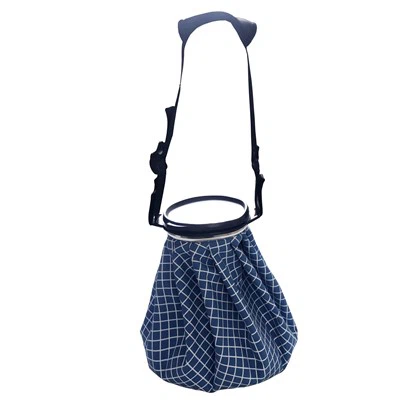
Amount of Cooling Agent: Larger ice bags typically contain more cooling agent than smaller ones. This means that they have a greater capacity to absorb heat energy and can therefore provide a longer period of cooling. For example, a large industrial-sized ice bag may be able to keep a shipping container cool for several hours, while a small personal ice pack may only be effective for a few minutes.
Surface Area: The surface area of an ice bag also plays an important role in its cooling power. A larger surface area allows for more contact with the object being cooled, which increases the rate of heat transfer. This means that a larger ice bag can cool an object more quickly than a smaller one, even if they contain the same amount of cooling agent.
However, it's important to note that there is a limit to the effectiveness of increasing the surface area. As the surface area of an ice bag increases, so does its exposure to the surrounding environment. This can cause the ice bag to lose heat more quickly, which reduces its overall cooling power. Therefore, it's important to find a balance between the amount of cooling agent and the surface area of the ice bag to achieve the optimal cooling performance.
Practical Considerations
When choosing a PVC ice bag, it's important to consider your specific needs and requirements. Here are some practical considerations to keep in mind:


Application: The type of application you're using the ice bag for will determine the size and shape that is most appropriate. For example, if you're using the ice bag to cool a small wound or injury, a small personal ice pack may be sufficient. On the other hand, if you're using the ice bag to keep a large shipment of perishable goods cool during transportation, you'll need a larger industrial-sized ice bag.
Duration of Cooling: If you need the ice bag to provide a long period of cooling, you'll want to choose a larger bag with a greater amount of cooling agent. However, if you only need a short period of cooling, a smaller bag may be more convenient and cost-effective.
Portability: If you need to use the ice bag on the go, you'll want to choose a size and shape that is easy to carry and transport. Small personal ice packs are often the most portable option, while larger industrial-sized ice bags may be too bulky and heavy to carry around.
Examples of Different Sizes and Their Applications
To illustrate the different sizes and applications of PVC ice bags, let's take a look at some specific examples:
- 6inch Mini Ice Packs for Face: These small ice packs are designed for personal use and are perfect for cooling the face, neck, or other small areas of the body. They are typically filled with a gel-like substance that provides a gentle, soothing cooling effect.
- Water Filled Ice Packs: These ice packs are available in a variety of sizes and are commonly used for medical applications, such as reducing swelling and pain. They are filled with water, which has a high specific heat capacity and provides a long period of cooling.
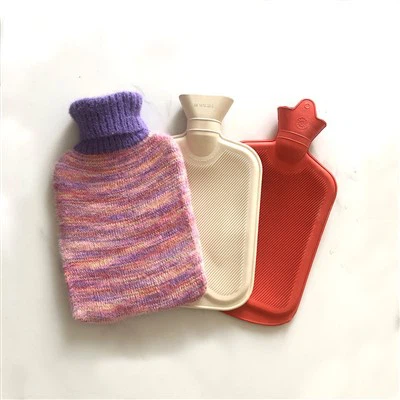
- Hot And Cold Water Bag For Pain Relief: These versatile bags can be used for both hot and cold therapy. They are filled with water and can be heated or cooled as needed. They are often used for pain relief, muscle relaxation, and injury recovery.
Conclusion
In conclusion, the cooling power of PVC ice bags varies with size due to the amount of cooling agent and the surface area of the bag. Larger ice bags generally have a greater capacity to absorb heat energy and can provide a longer period of cooling, while a larger surface area allows for a faster rate of heat transfer. However, it's important to find a balance between the two factors to achieve the optimal cooling performance.
When choosing a PVC ice bag, it's important to consider your specific needs and requirements, such as the application, duration of cooling, and portability. By understanding the relationship between size and cooling power, you can choose the right ice bag for your needs and ensure that you get the most effective cooling performance.
If you're interested in purchasing PVC ice bags for your business or personal use, please don't hesitate to contact us. We offer a wide range of sizes and styles to meet your needs, and our team of experts can help you choose the right product for your specific application.
References
- Incropera, F. P., & DeWitt, D. P. (2002). Fundamentals of heat and mass transfer. John Wiley & Sons.
- Holman, J. P. (2002). Heat transfer. McGraw-Hill.