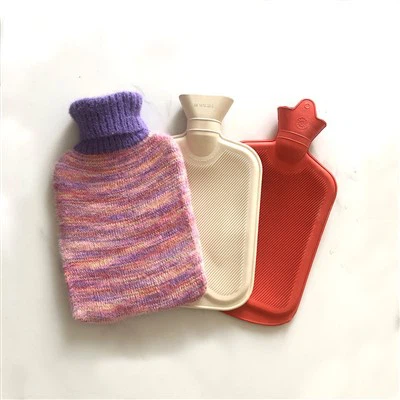
As a supplier of rubber hot water bottles, ensuring the quality and safety of our products is our top priority. One of the key aspects of a high - quality rubber hot water bottle is its seal. A proper seal not only prevents leakage but also guarantees the long - term functionality of the product. In this blog, I'll share some effective methods to test the seal of a rubber hot water bottle.
Visual Inspection
The first step in testing the seal of a rubber hot water bottle is a simple visual inspection. Carefully examine the area where the seal is located. Look for any signs of damage, such as cracks, cuts, or unevenness. A well - sealed rubber hot water bottle should have a smooth and continuous seal line. If you notice any visible flaws, it's likely that the seal is compromised, and the bottle may be at risk of leakage.
For instance, if there are small cracks in the seal, even if they seem insignificant at first, they can expand over time, especially when the bottle is filled with hot water. This can lead to water leakage, which is not only inconvenient but also potentially dangerous.


Water Immersion Test
The water immersion test is a reliable way to check the integrity of the seal. Fill a large container with water. Make sure the container is big enough to completely submerge the rubber hot water bottle.
Before submerging the bottle, ensure it is empty and dry on the outside. Then, slowly lower the bottle into the water, holding it by the neck or the area away from the seal. Observe the water surface around the bottle carefully. If there are any air bubbles rising from the seal area, it indicates that there is a leak.
This test works because air trapped inside the bottle will escape through any gaps in the seal, creating bubbles in the water. It's important to perform this test in a well - lit area and take your time to look for even the smallest bubbles. If you find bubbles, mark the area of the leak with a waterproof marker. This will help you determine if the bottle can be repaired or if it should be discarded.
Pressure Test
Another method to test the seal is the pressure test. First, fill the rubber hot water bottle with a small amount of water. Do not fill it to the brim; about one - third full is sufficient for this test.
Next, close the bottle tightly according to the manufacturer's instructions. Make sure the cap or stopper is properly secured. Then, gently squeeze the bottle from the sides. Apply pressure evenly across the body of the bottle.
While squeezing, observe the seal area. If water starts to seep out from the seal, it means the seal is not holding up under pressure. This is a clear indication that the bottle may have a faulty seal. However, be careful not to squeeze too hard, as excessive pressure can damage the bottle even if the seal is intact.
Temperature Test
Since rubber hot water bottles are designed to hold hot water, it's important to test the seal under temperature variations. Fill the bottle with hot water, but not boiling water. Boiling water can damage the rubber and give false results. A temperature of around 60 - 70 degrees Celsius is suitable for this test.
After filling the bottle, close it properly and let it sit for a few minutes. As the rubber expands and contracts due to the heat, it can put stress on the seal. Check the seal area for any signs of leakage during this time.
You can also repeat the water immersion test after the temperature test. This will help you determine if the heat has affected the integrity of the seal. If the seal holds up under both temperature and pressure, it is likely to be of good quality.
Long - Term Testing
For a more comprehensive assessment of the seal, long - term testing can be carried out. Fill the rubber hot water bottle with water and leave it in an upright position for 24 hours. Check the area around the bottle periodically to see if there are any signs of leakage.
This test simulates real - life usage over an extended period. A good seal should be able to withstand the weight of the water and the normal wear and tear over time. If there is no leakage after 24 hours, it is a positive sign that the seal is reliable.
Our Product Range
At our company, we offer a wide range of high - quality rubber hot water bottles. Our 2 Ltr Hot Water Bottle is perfect for those who need a larger capacity for more warmth. It undergoes rigorous seal testing to ensure it meets the highest standards of quality.
We also have the British Standard Hot Water Bottle, which is designed in accordance with strict British standards. This bottle is known for its reliable seal and long - lasting performance.
For customers who prioritize safety, our Safe BS 1970 Hot Water Bottle is an excellent choice. It has been tested to meet the BS 1970 safety standard, and the seal is carefully inspected to prevent any leakage.
Why Choose Our Rubber Hot Water Bottles
Our rubber hot water bottles are made from high - quality rubber materials that are durable and resistant to wear. The seals are carefully crafted using advanced manufacturing techniques to ensure a tight and reliable fit.
We understand the importance of safety when it comes to hot water bottles. That's why we conduct multiple tests on each bottle to ensure the seal is intact. Our products are not only safe but also provide long - lasting warmth and comfort.
Contact Us for Purchase
If you are interested in purchasing our rubber hot water bottles, we invite you to contact us for further details and to discuss your specific requirements. Whether you are a retailer looking to stock our products or an individual in need of a reliable hot water bottle, we are here to serve you. Our team of experts can provide you with all the information you need and assist you in making the right choice.
References
- "Testing of Rubber Products", Rubber Industry Handbook, 2018.
- "Safety Standards for Hot Water Bottles", British Standards Institution, 2020.