The heat retention time of a hot water foot warmer is a crucial factor that many consumers consider when purchasing such a product. As a supplier of high - quality hot water foot warmers, I am often asked about this topic. In this blog, I will delve into the various aspects that affect the heat retention time of a hot water foot warmer and provide some practical insights.
Factors Affecting Heat Retention Time
Material of the Foot Warmer
The material used in the construction of the hot water foot warmer plays a significant role in determining its heat retention ability. Generally, foot warmers made from high - quality insulating materials can keep the water warm for a longer period. For example, some foot warmers are crafted from thick, double - walled plastic or rubber with excellent insulating properties. These materials slow down the transfer of heat from the hot water inside to the surrounding environment.
On the other hand, if the foot warmer is made from thin, low - quality materials, heat will dissipate more quickly. The heat transfer rate is directly related to the thermal conductivity of the material. Materials with low thermal conductivity, such as certain types of foams and thick plastics, are better at retaining heat.
Initial Water Temperature
The temperature of the water you pour into the foot warmer at the beginning also impacts the heat retention time. Naturally, if you start with hotter water, it will take longer for the water to cool down to a less comfortable temperature. However, it's important to note that you should not use boiling water, as it may damage the foot warmer, especially if it is made of plastic or rubber. A good rule of thumb is to use water at a temperature of around 80 - 90 degrees Celsius. This temperature is hot enough to provide a long - lasting warming effect without posing a risk to the foot warmer.
Size of the Foot Warmer
The size of the hot water foot warmer matters as well. Larger foot warmers can hold more hot water. Since a larger volume of water contains more thermal energy, it will take longer for the heat to dissipate. For instance, a large - capacity foot warmer that can hold 2 liters of water will generally retain heat longer than a smaller one that holds only 1 liter. However, larger foot warmers may also be more cumbersome to use.
External Environment
The environment in which the foot warmer is used has a significant influence on its heat retention time. If you use the foot warmer in a cold room or outdoors in winter, the heat will dissipate much faster compared to using it in a warm, insulated room. The temperature difference between the hot water inside the foot warmer and the surrounding environment drives the heat transfer process. A larger temperature difference means a higher rate of heat transfer. Additionally, factors like air circulation can also affect heat loss. A drafty room will cause the foot warmer to cool down more quickly than a still - air environment.
Average Heat Retention Times
Based on our experience and customer feedback, a well - made hot water foot warmer with a capacity of around 1 - 1.5 liters, filled with water at around 80 degrees Celsius, can retain a comfortable warming temperature (around 40 - 45 degrees Celsius) for about 1.5 to 2 hours in a normal indoor environment (around 20 degrees Celsius).
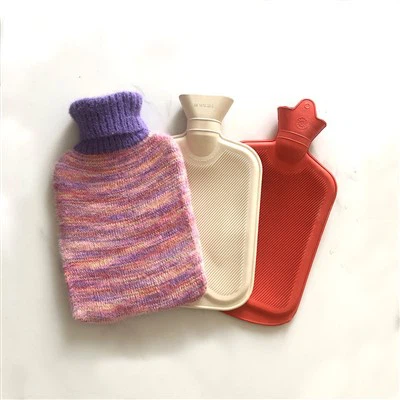
If you use a larger foot warmer, such as the Ram Large 2l Hot Water Bottle with Soft Fleece Cover, which has a 2 - liter capacity, and keep it in a relatively warm and still indoor environment, it can maintain a pleasant warmth for up to 3 hours or even longer.
However, if the external temperature is lower, say around 10 degrees Celsius, the heat retention time will be reduced by about 30 minutes to 1 hour for the same foot warmer.
Tips to Improve Heat Retention
Use a Cover
Using a cover for your hot water foot warmer can significantly improve its heat retention. Covers made from insulating materials like fleece can act as an additional layer of insulation, reducing the rate of heat transfer to the surrounding air. For example, the Elephant Hot Water Bottle Cover and Red Hot Water Bottle Cover are not only stylish but also effective in keeping the heat in.
Pre - heat the Foot Warmer
Before filling the foot warmer with hot water, you can pre - heat it by rinsing it with warm water. This helps to reduce the initial heat loss when you pour in the hot water, as the foot warmer itself is already at a relatively higher temperature.
Minimize Exposure to Cold Air
Try to keep the foot warmer away from cold drafts and open windows. If possible, place it on a soft, insulating surface like a thick carpet or a woolen blanket. This can further slow down the heat loss process.


Conclusion
The heat retention time of a hot water foot warmer is affected by multiple factors, including the material, initial water temperature, size, and external environment. By understanding these factors, consumers can make more informed decisions when purchasing a foot warmer and take steps to maximize its heat retention.
As a supplier, we are committed to providing high - quality hot water foot warmers that offer excellent heat retention performance. If you are interested in our products or have any questions about heat retention or other aspects of our foot warmers, please feel free to contact us for further discussion and potential procurement. We look forward to working with you to meet your needs for a warm and comfortable experience.
References
- Incropera, F. P., & DeWitt, D. P. (2002). Fundamentals of Heat and Mass Transfer. John Wiley & Sons.
- Holman, J. P. (2002). Heat Transfer. McGraw - Hill.