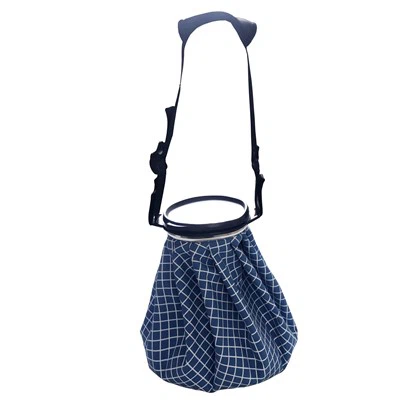
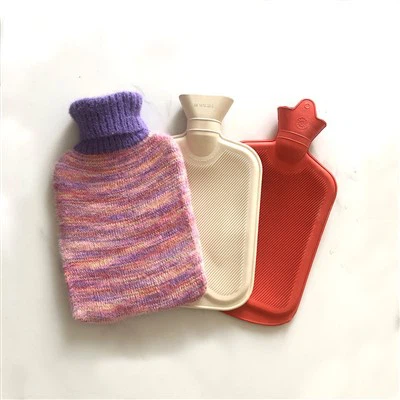
What is the minimum temperature a PVC ice bag can reach?
As a supplier of PVC ice bags, I often get asked about the minimum temperature these ice bags can reach. This is a crucial question for many customers, whether they are using the ice bags for medical purposes, food preservation, or other cooling needs. In this blog post, I'll delve into the factors that influence the minimum temperature of PVC ice bags and provide some practical insights.
Factors Affecting the Minimum Temperature
1. Filling Material
The filling material inside the PVC ice bag plays a significant role in determining its cooling capacity. Most PVC ice bags are filled with a special gel or water. Gel - filled ice bags usually have better heat - retention properties compared to water - filled ones. The gel has a higher specific heat capacity, which means it can absorb more heat before its temperature rises significantly.


Water - filled ice bags, on the other hand, are simpler and more cost - effective. When water freezes, it reaches 0°C (32°F). However, the minimum temperature they can maintain depends on the ambient temperature and how well they are insulated. Gel - filled ice bags can reach temperatures slightly below 0°C, often around - 2°C to - 5°C (28.4°F to 23°F). This is because the gel has additives that lower its freezing point and enhance its cooling performance. You can check out our Water Filled Ice Packs for a more budget - friendly option, while our gel - filled ones offer better long - term cooling.
2. Insulation
The insulation around the PVC ice bag is another critical factor. If an ice bag is well - insulated, it can maintain a lower temperature for a longer time. For example, when using an ice bag in a cooler with thick insulation, the cold air is trapped inside, and the ice bag loses heat more slowly. In contrast, if an ice bag is left exposed to the open air, especially in a warm environment, it will warm up quickly.
When designing our PVC ice bags, we take into account the need for good insulation. We recommend using our ice bags in conjunction with insulated containers or wraps to maximize their cooling efficiency. This way, you can ensure that the ice bag reaches and maintains its lowest possible temperature for as long as needed.
3. Size of the Ice Bag
The size of the PVC ice bag also affects its minimum temperature. Larger ice bags generally have more filling material, which means they can store more cold energy. A larger ice bag takes longer to warm up compared to a smaller one. For instance, our 6inch 9inch 11inch Blue Ice Packs come in different sizes to meet various needs. The 11 - inch ice pack can hold more gel or water, and it will stay colder for a longer period than the 6 - inch one. This is important to consider when choosing an ice bag for your specific application. If you need to keep a large quantity of food cold for a long time, a larger ice bag would be more suitable.
Real - World Applications and Temperature Requirements
1. Medical Use
In the medical field, PVC ice bags are commonly used for pain relief and reducing inflammation. For example, after an injury or surgery, applying a cold compress can help numb the area and reduce swelling. The ideal temperature for a medical ice bag is around 4°C to 10°C (39.2°F to 50°F). Our Reusable Ice Packs for Pain are designed to reach and maintain this temperature range. If the ice bag is too cold, it can cause frostbite or damage to the skin, while if it's not cold enough, it won't be effective in reducing pain and swelling.
2. Food Preservation
When it comes to food preservation, different types of food have different temperature requirements. For fresh produce, a temperature around 0°C to 5°C (32°F to 41°F) is usually sufficient to keep them fresh. For frozen foods, the ice bag needs to maintain a much lower temperature, close to - 18°C (0°F). Our PVC ice bags, depending on their size and filling material, can be used to meet these different temperature needs. By using multiple ice bags or combining them with proper insulation, you can create a suitable cold environment for food storage during transportation or in a cooler.
Testing and Quality Assurance
At our company, we conduct rigorous testing to ensure that our PVC ice bags can reach and maintain the desired minimum temperature. We use advanced temperature sensors to monitor the temperature changes of the ice bags under different conditions. We test them in various ambient temperatures, from hot summer days to cold winter nights, to simulate real - world scenarios.
We also perform durability tests to make sure that the PVC material can withstand repeated use and temperature changes without leaking or breaking. Our quality control team checks every batch of ice bags to ensure they meet our high standards. This way, you can be confident that when you purchase our PVC ice bags, they will perform as expected.
Conclusion
In conclusion, the minimum temperature a PVC ice bag can reach depends on several factors, including the filling material, insulation, and size. Gel - filled ice bags can generally reach lower temperatures than water - filled ones, often around - 2°C to - 5°C (28.4°F to 23°F). However, for medical use, a temperature range of 4°C to 10°C (39.2°F to 50°F) is more appropriate, while food preservation may require temperatures as low as - 18°C (0°F).
If you are in need of high - quality PVC ice bags for your specific application, whether it's for medical, food, or other cooling needs, we are here to help. Our range of ice bags, including 6inch 9inch 11inch Blue Ice Packs, Reusable Ice Packs for Pain, and Water Filled Ice Packs, are designed to meet diverse requirements. Contact us today to discuss your needs and start a procurement negotiation. We look forward to providing you with the best PVC ice bag solutions.
References
- "Thermal Properties of Phase Change Materials for Cooling Applications", Journal of Thermal Science and Engineering Applications.
- "Medical Uses of Cold Therapy", American Journal of Physical Medicine & Rehabilitation.
- "Food Preservation and Temperature Control", Food Science and Technology Journal.