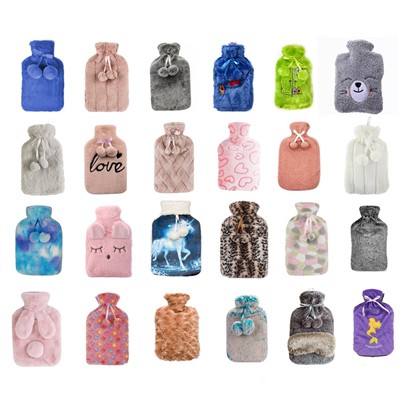
Under the influence of global warming, cold compress products are generally on a long-term growth trajectory. The demand has shifted from "seasonal emergency" to "year-round necessity + multi-scenario penetration", with stable growth rates and significant structural upgrades.
Core Driving Force
(Direct Pull by Global Warming)
Regular high temperatures:
The number of hot days and the intensity of heat waves are continuously increasing worldwide, and heat prevention and cooling have shifted from being necessary only in summer to being a constant requirement throughout the year.

Comprehensive expansion of scenarios:
-Daily life: Commuting, working, outdoor activities, student exams, elderly/children's heat prevention
- Profession: Construction, logistics, outdoor work, high-temperature workshops (mandatory heat prevention policies)
- Sports: Fitness, competitions, outdoor hiking (recovery after exercise + heat prevention)
- Healthcare: Post-operative swelling reduction, fever reduction, joint/muscle pain relief (aging population + increasing surgical volume)

Shift in consumption habits:
42% or more consumers carry cooling products with them throughout the year; prefer physical cooling, non-drug, portable, and reusable.

Market Size and Growth Rate (2026 - 2030)
Global overall physical cooling/ice application market:
Annual compound growth rate is approximately 8% - 15%, and it is expected to exceed 10 billion US dollars by 2030.
Sub-sectors (more detailed):
-Fever-reducing patches: Approximately 256 million US dollars in 2024, reaching 372 million US dollars by 2034 (CAGR ≈ 4%)
-Medical ice packs: Approximately 4.92 billion yuan in 2026 (CAGR ≈ 4.4%)
- Reusable cold application bags: 83.57 million US dollars in 2025, 115 million US dollars in 2032 (CAGR ≈ 4.6%)
- China's physical cooling market: 8.67 billion yuan in 2023, exceeding 10 billion yuan in 2025 (CAGR ≈ 10%+)
- Wearable cooling (ice collars/mittens): Cross-border bestseller, with a growth rate of over 30%
Product Trends (Seizing Opportunity Points)

Technology Upgrade:
-Phase Change Material (PCM): 6-8 hours of continuous temperature control, repeatable, safer
- Hydrogel/Polymer: Long-lasting, breathable, low sensitivity, degradable
- Intelligent Temperature Control: APP linkage, temperature feedback, timing (high-end speed increase by 25%+)
Form Innovation:
-Portable: Ice patches, cooling wipes, cold sensation towels, ice collars, ice sleeves, cooling sprays
- Wearing: Ice vests, cooling hats, cooling seats
- Household: Reusable ice bags, cold compress pillows, pet cooling pads


Structural Upgrade:
- One-time use → Reusable (environmental protection + cost-effectiveness)
- Single cooling function → Cooling + analgesia + repair + sun protection combined function
- Low price → Mid-to-high-end, branding, efficacy certification
Regional Opportunities
(Key Export Areas)

Mature markets (high unit price, high repeat purchase rate)
North America, Europe, Japan and South Korea (strong health awareness, complete regulations, acceptance of premium pricing)

Emerging markets (rapid growth)
Southeast Asia, Middle East, South America (high temperature + population growth + infrastructure/outdoor work expansion)

China
Dual drive of domestic demand and exports, leading in East China and South China, rapid penetration in central and western regions
Risks and Challenges
Severe homogenization
Low-price competition, patent disputes (such as ice collars)
01
Cost pressure
Price hikes for phase change materials, intelligent components, and eco-friendly materials
02
Inconsistent standards
Significant differences in medical/commodity certifications across countries
03
Seasonal fluctuations
Still influenced by the summer peak season, requiring balanced scenarios throughout the year
04
Summary of Prospects (one sentence)
Global warming is a long-term and certain positive trend. Cooling products have evolved from "minor sun protection" to "massive health necessities", with stable growth rate, structural upgrading. Repeatability, intelligence, wearability and multi-scenario application are the core growth directions.